Creativity, Joy, and Belonging: A Q&A with Dr. Jeana Holt
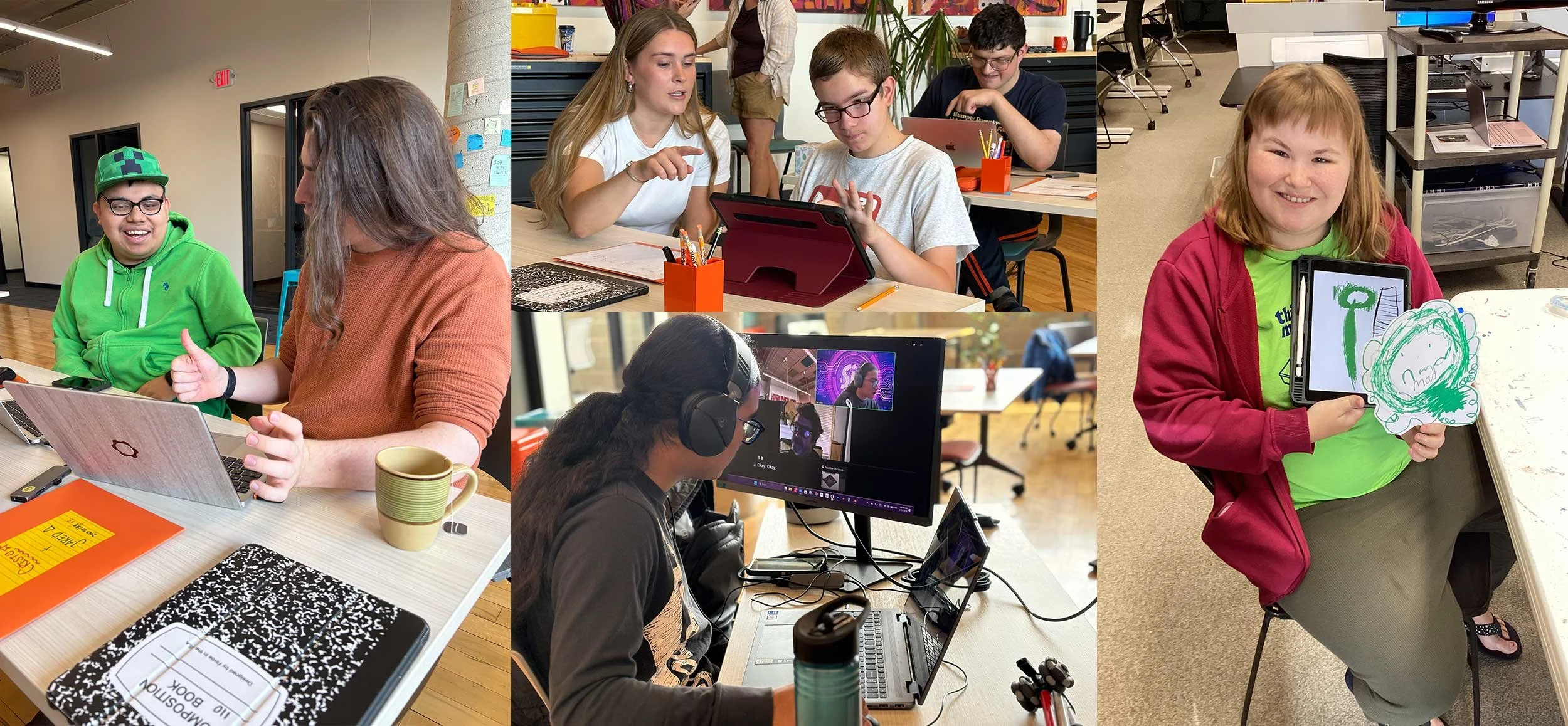
At Islands of Brilliance (IOB), we believe creativity is more than a skill. It is a doorway.
A doorway to confidence. To connection. To self-expression. To possibility. And sometimes, if we are paying close enough attention, it is also a doorway to joy.
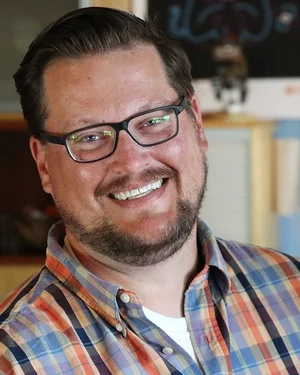
Dr. Jeana Holt has been helping IOB better understand what happens when autistic and other neurodivergent youth are supported in creative, strengths-based spaces. Through her work with the National Endowment for the Arts Research Lab, ABLE: Autism Brilliance Lab for Entrepreneurship, Dr. Holt brings a deep commitment to community-engaged research, person-centered care, and the kind of storytelling that honors the full humanity of neurodivergent individuals.
In this conversation, Dr. Holt shares how she first connected with IOB, what she has learned from our students and families, why joy deserves to be studied, and how creativity can help build pathways to belonging.
Her answers remind us that research is not just about measuring outcomes. It is about noticing what matters. It is about asking better questions. And it is about designing environments where people are seen, supported, and invited to thrive.
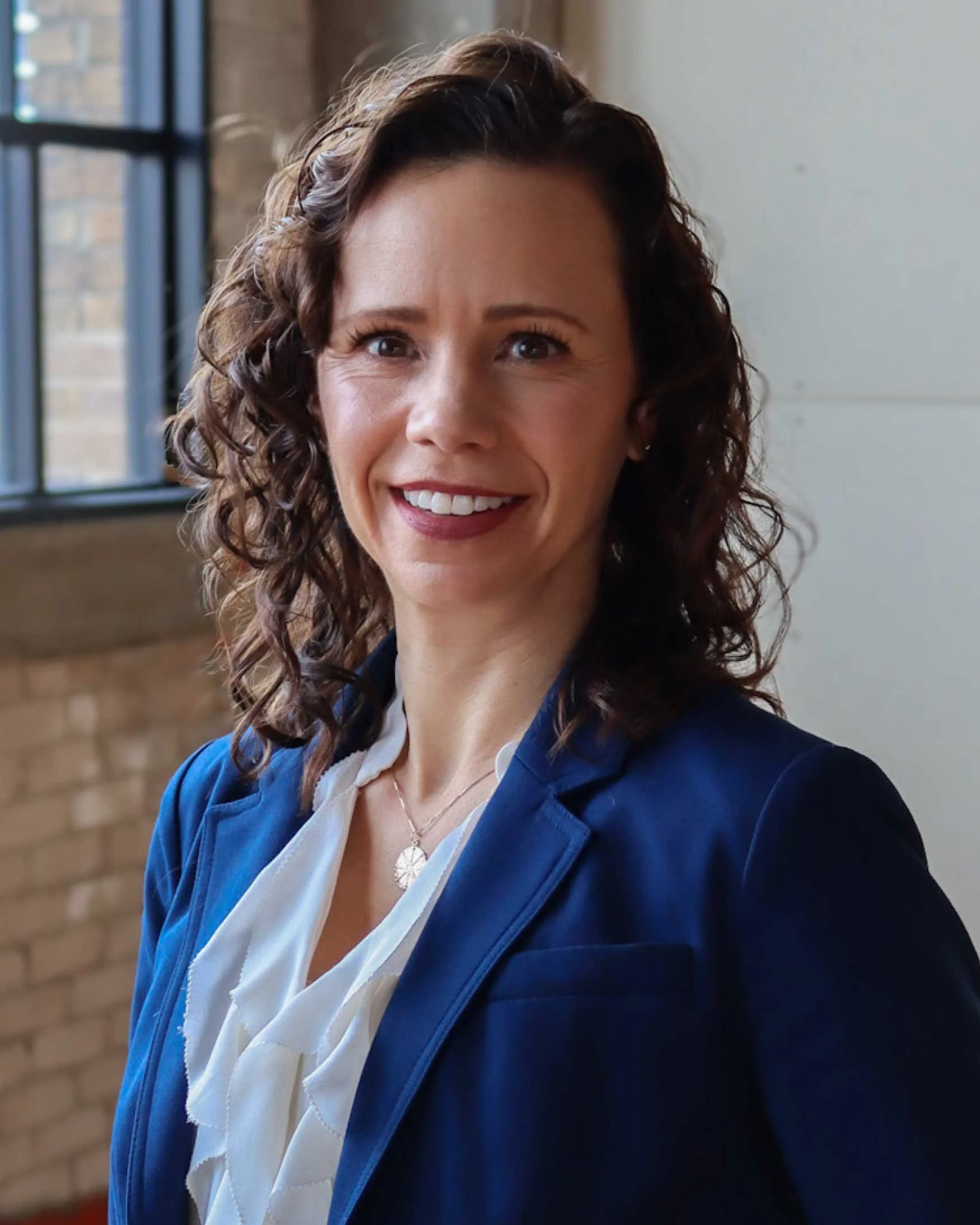
Jeana Holt, PhD, DNP, RN, FNP-BC, APNP, is the PI and Research Director of the National Endowment for the Arts Research Lab, ABLE: Autism Brilliance Lab for Entrepreneurship
ABLE: The Autism Brilliance Lab for Entrepreneurship, an NEA Research Lab, is a partnership between UW-Milwaukee and Islands of Brilliance.

FINDING IOB
Let’s start at the beginning…how did you first become connected with Islands of Brilliance (IOB)? What stood out to you in those early interactions?
I was connected through the National Endowment for the Arts Research Lab, ABLE: Autism Brilliance Lab for Entrepreneurship, through our mutual colleague, Dr. Nathaniel Stern. He is the Executive Director of ABLE: Autism Brilliance Lab for Entrepreneurship. Nathaniel and ABLE were seeking another researcher with experience in community-engaged research and practice.
Early on, what really stood out to me was that IOB uses strengths- and relationship-based programs, which align with my personal and professional values. I remember observing my first Foundation session and thinking, this is what it looks like when neurodivergent people are in an environment with mentors and tools that support creativity, passions, and thriving.What really stuck with me was how each student chose how to celebrate their progress. From project-themed celebrations of a dinosaur roar to general celebrations of jazz hands. I couldn’t help but smile and feel the joy in the room. I wanted to be a part of that, so whenever IOB asks, my answer is always, ‘Yes!’
THE “WHY” BEHIND THE WORK
Your work spans clinical care, community-based research, and designing new approaches to tell the stories of neurodivergent individuals. What drew you to this path? What has kept you committed to it over time?
My “why” has always been grounded in person- and relationship-centered care. As we build relationships, people start to feel safe to share their strengths, challenges, and opportunities for improvement. In clinical settings, I led every encounter by asking about the person’s values, goals, and preferences. Every decision that followed was based on what mattered to the client.
What keeps me committed to this research is the community itself. When you see what’s possible when neurodivergent people are supported in ways that honor who they are, it’s easy to stay invested. The work keeps evolving, but the core motivation—amplifying voices, expanding what’s possible, recognizing the joy, strengths, and unique perspectives each person brings stays the same.
A STRENGTHS-BASED APPROACH TO RESEARCH
You often use community-based, strengths-focused research. Why do you choose these approaches?
Because community-based, strengths-based research reflects the complexities of real life. Some research can feel extractive or disconnected from the communities it’s meant to serve. A community-based, strengths-focused approach flips that. It centers people as partners, not subjects, and it builds from what’s working rather than what’s “missing.”
For me, it’s about making research more meaningful and more useful. When participants help shape the questions and the process, the outcomes are more relevant and often more hopeful. It also challenges long-standing narratives about neurodivergence by highlighting capability, creativity, and contribution.
PARTNERING WITH IOB
Across all your work, what makes your partnership with IOB unique or especially meaningful?
The partnership with IOB is a true collaboration. There’s a shared commitment to creativity, authenticity, and impact, not just studying something, but building something together.
What makes it especially meaningful is that IOB isn’t ‘a setting for research’; it’s a vibrant community. Working alongside educators, students, and families creates opportunities to co-create knowledge in ways that are grounded, relevant, and real. It’s not research on a program; it’s research with a community.
What’s also unique is how our roles complement each other. IOB leads program design, facilitation, and community engagement, while UWM supports the research and helps share what we learn more broadly. At the same time, we’re jointly shaping the vision every step of the way. That shared leadership is important. It keeps the work rooted in shared power, community wisdom, reciprocity, inclusivity, and curiosity. Those values guide how we show up and make decisions every day.
LEARNING FROM THE COMMUNITY
What have you learned from working directly with IOB participants and their families? Has this work changed your perspective or shaped the way you approach your work?
I’ve learned that outcomes for autistic individuals are deeply shaped by the inclusivity and supportiveness of their surrounding environments.
I’ve also learned to embrace curiosity and creativity as we seek to uncover the root causes of some of the challenges faced by autistic youth, like anxiety or feelings of isolation. When Mark Fairbanks shared his observation that IOB learners and families were joyful after participating in IOB programming, he challenged us to understand when, how, and why joy occurred. Communication, creativity, and connection don’t all look the same, and working with IOB has reinforced the importance of discovering new ways to measure outcomes beyond surveys.
I am also more attuned to the importance of identity, agency, hope, and belonging, not just outcomes we can measure, but experiences that matter deeply in autistic lives. It’s also made me more intentional about designing work that is respectful, inclusive, and genuinely beneficial to the community.
WHAT IS ABLE?
For someone new to the NEA’s Autism Brilliance Lab for Entrepreneurship (ABLE), how would you describe what it is and the impact it’s aiming to create?
ABLE aims to study how arts and technology support creativity, communication, and engagement among autistic youth and young adults, helping them build skills and confidence as they move beyond high school and explore what comes next.
It’s also about shifting how we think about talent and creativity. ABLE is building pathways where there haven’t always been clear ones, and showing that when you invest in people’s strengths, you open up entirely new possibilities of where and how autistic individuals thrive.
FROM CREATIVITY TO POSSIBILITY
A core idea in your work with Islands of Brilliance is that creativity can unlock potential. What have you seen happen when students are given the space to create?
Our study of the Sandbox@ program is a great example of this. When students are given space to create, you can see almost immediate shifts in confidence, connection, and how they see themselves. In the Sandbox@ workshops, we saw that a single day of creating art and exploring technology led participants to take creative risks, share their ideas, and build new relationships.
Many began to see themselves as creative for the first time. They found ways to express their stories through writing, visuals, and digital media, creating stop-motion videos, and felt proud sharing that work with others. What stood out most was how quickly that sense of confidence and belonging emerged.
It’s a powerful reminder that when we create spaces that are welcoming, flexible, and strengths-focused, we’re helping autistic youth and young adults feel seen, capable, and connected.
Editor’s Note: In 2025, Islands of Brilliance’s Sandbox@ program evolved to IOB@.
STUDYING JOY
The Joy Study explores something we don’t always measure… joy and what it looks like for autistic youth and their families. What did you learn from this project that surprised or challenged you?
One of the most surprising things we learned is that joy is there. We just don’t always take the time to notice or measure it. For many families, the process of capturing and reflecting on joyful moments helped them see each other in new ways and strengthened their connection.
We also saw that joy often shows up in small, everyday moments: being creative, spending time together, going for a walk after dinner, and sharing interests. When they focused on those moments, families became more attuned to strengths and more connected to one another.
It challenged the idea that joy was a nice extra and reframed it as essential to well-being, relationships, and meaningful engagement.
What surprised me was how clearly autistic youth and young adults could capture joy in photos and articulate these experiences with their peers. It challenged me to think more critically about what we measure, how we measure it, and why. If we’re not capturing joy, belonging, or meaning, we’re missing a really important part of the picture.
DESIGNING PATHWAYS TO BELONGING
Your newest project focuses on “Designing Pathways to Belonging.” What does belonging mean in this work, and how might it have a ripple effect in schools or communities?
Belonging, in this context, is about being valued, understood, and able to show up as your full self. It means environments are designed with neurodiverse people in mind, rather than expecting neurdiverse people to adapt to systems not built for all to thrive.
When schools and communities prioritize belonging, we will see cultural shifts, greater flexibility, greater empathy, and greater innovation. It benefits everyone, not just neurodivergent individuals. Designing for belonging creates spaces that are better, more human, and more responsive overall.
LOOKING FORWARD
If you could change one thing about how the world understands or supports neurodivergent individuals, what would it be? (Okay, you don’t have to limit to just one!)
I’d love to see a shift from a deficit-based mindset to a possibility-based one. Not ignoring challenges, but balancing that perspective with a real focus on strengths, creativity, and contribution.
A strengths-based approach to supporting autistic and neurodiverse youth is all about helping young people grow into their authentic selves. It focuses on their interests, talents, and unique ways of thinking, learning, and communicating.
This means creating opportunities and environments that are engaging, supportive, and accessible, while also helping youth build meaningful relationships and self-confidence. When we lead with strengths, we’re helping young people develop agency, connection, and a real sense of belonging in their communities.
And beyond that, I’d want education, healthcare, and workplaces to be more flexible and more willing to adapt. So much of the burden is still placed on individuals to fit in. What if we flipped that and asked how environments could evolve instead?
Ultimately, it comes down to recognition: seeing neurodivergent individuals as people with ideas, talents, and perspectives that strengthen our communities.
At IOB, we see every day what becomes possible when autistic and other neurodivergent students are given the tools, mentorship, and creative freedom to explore who they are and what they can make.
Dr. Holt’s work helps us better understand those moments, not just as beautiful stories, but as meaningful evidence of confidence, connection, joy, and belonging.
Because when we design spaces around strengths, we do more than support creativity. We help people feel seen, capable, and connected. And that changes what comes next.
The entire team at IOB is so grateful to Dr. Holt for bringing her curiosity, care, and commitment to this work, and for helping us shine a brighter light on the creativity, joy, and belonging within our IOB community.
To learn more about the research behind this work, explore our Publications & Presentations page, featuring published studies, articles, and presentations by Dr. Kate Sikeman, Dr. Jeana Holt, and our research partners.
Together, their work helps tell a fuller story of autistic creativity, community, and possibility.
NEA Disclaimer of Endorsement:
Reference herein to any specific commercial products, process, or service by trade name, trademark, manufacturer, or otherwise, does not necessarily constitute or imply its endorsement, recommendation, or favoring by the United States Government. The views and opinions of authors expressed herein do not necessarily state or reflect those of the United States Government, and shall not be used for advertising or product endorsement purposes.
NEA Disclaimer of Hyperlinks:
The appearance of external hyperlinks does not constitute endorsement by the National Endowment for the Humanities of the linked web sites, or the information, products or services contained therein. For other than authorized NEA activities, the National Endowment for the Arts does not exercise any editorial control over the information you may find at these locations. All links are provided with the intent of meeting the mission of the NEA web site. Please let us know about existing external links which you believe are inappropriate and about specific additional external links which you believe ought to be included.
NEA Disclaimer of Liability:
With respect to documents available from this server, neither the United States Government nor any of its employees, makes any warranty, express or implied, including the warranties of merchantability and fitness for a particular purpose, or assumes any legal liability or responsibility for the accuracy, completeness, or usefulness of any information, apparatus, product, or process disclosed, or represents that its use would not infringe privately owned rights.
Reference from this Web page or from any of the information services sponsored by the National Endowment for the Arts to any non-governmental entity, product, service or information does not constitute an endorsement or recommendation by the NEA or any of its employees. We are not responsible for the content of any “off-site” web pages referenced from this server.